Technical analysis April 2013 8 min read
Authenticated infrared video Independent technical report Explanation not found

Aguadilla 2013: thermal video from Puerto Rico

In April 2013, the crew of a US Coast Guard aircraft operating near Rafael Hernández Airport in Aguadilla, Puerto Rico, filmed for more than three minutes a low-flying object that eventually plunged into the water and appeared to emerge. The infrared recording, analyzed by the Scientific Coalition for UAP Studies (SCU), is one of the most documented technical cases by civilians in the history of UAP research.

DateApril 2013 (night)
LocationAguadilla, Puerto Rico
SensorFLIR Camera (Coast Guard)
Video duration~3 minutes 25 seconds
Estimated speed60–90 knots (~110–167 km/h)
SCU Analysis162-page report (2015)

The recording

The video is captured by an infrared camera mounted on a Customs and Border Protection (CBP) device, a branch of the US Coast Guard, on night patrol above the coast of Aguadilla. The aircraft must circle around the object to avoid a collision as it approaches the airport.

The recording shows a small object moving at low altitude above the sea, passing over the airport runways, then descending towards the water. The object appears to dive into the ocean, disappear momentarily, then emerge — and split into two separate objects according to the SCU analysis. The airport was briefly closed to air traffic during the incident.
The SCU report (Scientific Coalition for UAP Studies)

In 2015, the SCU released a 162-page analysis report on the Aguadilla video. The team includes engineers, pilots, physicists and infrared imaging specialists. The report is peer-reviewed internally but has not been published in a peer-reviewed academic journal.

Main conclusions of the SCU report:

  • The speed of the object is estimated between 60 and 90 knots depending on the calculated geolocation.
  • The object plunges into the water without visible deceleration or characteristic impact.
  • The thermal signature of the object is different from that of water and ambient air.
  • The object appears to split into two separate units at some point during the recording.
  • No known aircraft is capable of this behavior (air-water transition at this speed without damage).

What is established, what is contested

✓ Not contested

  • The video is authentic — it comes from official US equipment and has a documented custody chain.
  • Aguadilla Airport briefly suspended air traffic during the incident — confirmed by air traffic control logs.
  • The object exhibits characteristics that have resisted conventional identification attempts by the SCU team.

⚠ Points of debate

  • The "division into two objects" may be an artifact of the infrared camera (reflections, optical aberrations).
  • Diving into water may correspond to disappearing behind waves — difficult to distinguish in infrared.
  • The SCU report, while serious, has not been subject to independent academic peer review.
  • The exact identity of the person who leaked the video and the conditions of its disclosure are not entirely clear.

Hypotheses

Hypothesis

Small drone

A smuggling drone, for example used for illegal deliveries from Puerto Rico, is plausible for the general trajectory. Diving into water remains difficult to explain for a conventional drone, unless it has fallen rather than dived.

Hypothesis

Lantern or balloon

At 60-90 knots, a lantern or weather balloon is excluded. The speed calculated by SCU far exceeds what these objects can achieve.

Hypothesis

Infrared camera artifacts

Some skeptics, including Mick West of Metabunk, have suggested that certain elements (the splitting, the diving) could be artifacts of the optical system. The SCU analysis challenges this interpretation but does not definitively refute it.

Hypothesis

Object of undetermined origin

If speed calculations and transmedia (air-to-water) behavior are confirmed, no publicly known conventional aerial technology matches. This hypothesis remains open.

Rumors to rule out

✗ What goes beyond data

  • “The Coast Guard recovered the object” : no documented evidence.
  • “It’s an alien ship with an underwater base.” : speculation without basis in the available data.
  • “The American government covered up this affair” : the video was leaked, not deleted. CBP has not officially commented.

Conclusion UFO VIDEO

The Aguadilla 2013 case stands out for the quality of its technical analysis. A serious 162-page report, produced by engineers and specialists, examined the video in detail and found no satisfactory conventional explanation. This is not proof of non-human origin — it is a limitation of conventional explanation.

The methodological questions on the SCU (external peer review) analysis remain valid. The case merits additional independent academic review.

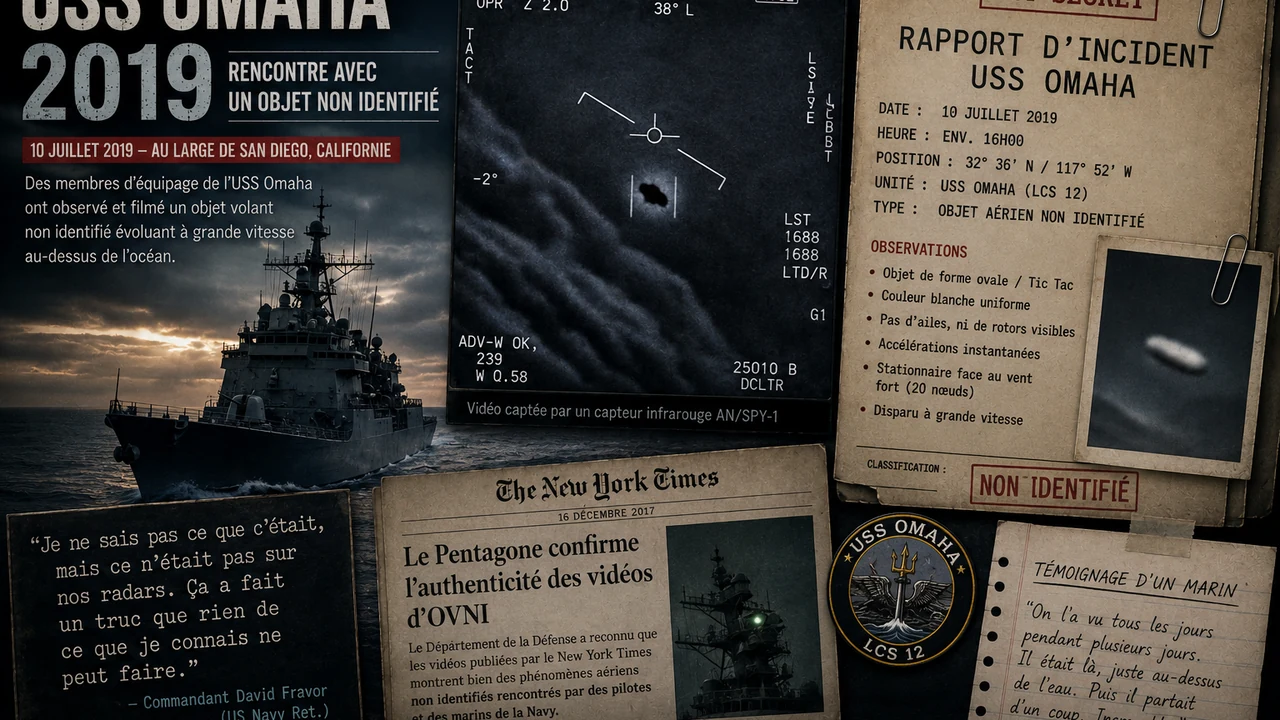
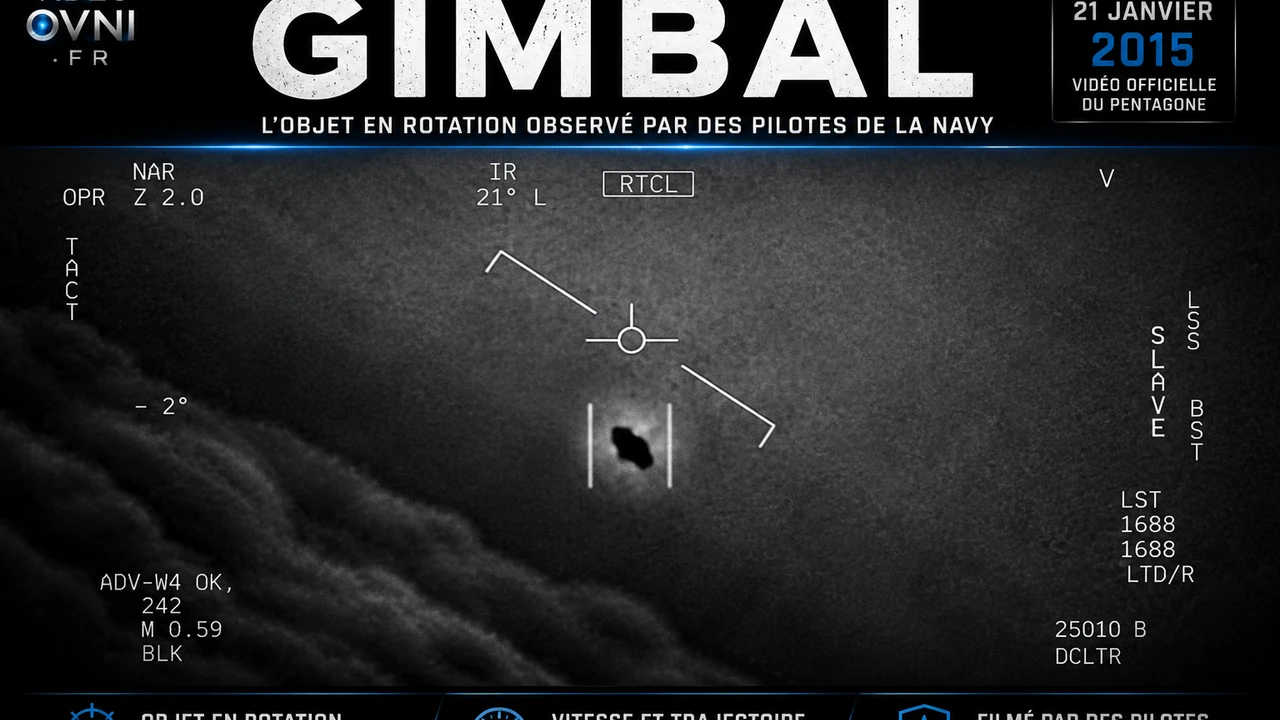
→ Additional files: USS Omaha 2019 · Gimbal 2015 · GoFast 2015

Sources

  1. Scientific Coalition for UAP Studies (SCU), A Forensic Analysis of the Aguadilla, Puerto Rico Video (2015, 162 pages) — available on SCU website.
  2. Critical analysis by Mick West (Metabunk) on possible optical artifacts.
  3. NARCAP (National Aviation Reporting Center on Anomalous Phenomena) — directory of aviation incidents.
  4. Aguadilla Rafael Hernández Airport control tower logs (partially available via FOIA).

See also

🎬 UFO VIDEO on TikTok

Short analyses, sources cited, no unverified claims. Find the most documented UAP files in video format.

Follow @video.ovni